Energy Cost Subsidy: How I Applied for €300 in Heating Aid in Germany

Reading time: 6 minutes
When my gas bill jumped from €89 to €147 per month in January 2024, I knew I had to act. I had heard about government help with heating costs, but I wasn't sure I was even entitled to an energy cost subsidy. After three weeks of intensive research and a successful application, I received €300 in heating aid. Here I'll show you exactly how it went.
The energy cost subsidy was introduced as a direct response to the exploding energy prices. Many households don't know they are eligible. My first step was checking whether I met the requirements, and that's exactly where I'll start.
Who Is Entitled to Heating Aid?
Checking my eligibility took me about 15 minutes. I had to meet three key criteria to get government energy aid. First: my household income was below the limit of €1,600 net per month as a single person. Second: I was already receiving housing benefit (Wohngeld) or another social benefit. Third: I heated with gas or oil in my rented apartment in Berlin-Neukölln.
Germany's Federal Ministry of Labor and Social Affairs has published a detailed overview on its website of exactly who is eligible. According to this official source (BMAS energy price allowance), students receiving BAföG (federal student aid) can also apply. The income limits vary by household size: for two people the limit is €2,400 net, for three people €3,100 net per month.
I've kept a detailed household budget book since 2022, which made it enormously easier to prove my financial situation. If you don't have a system yet, I recommend my article on keeping a household budget book systematically to discover savings potential. I also needed that overview later for the application.
Checking My Entitlement to the Energy Cost Subsidy
In February 2024 I used the online calculator of the consumer advice center (Verbraucherzentrale). This tool asked specifically about my monthly net income, my housing situation and my current heating costs. I entered €1,380 net income, 52 square meters of living space and €147 in monthly gas costs. The result came within seconds: expected entitlement to €300 in heating aid.
The calculation is based on the actual extra consumption compared with the same period the year before. For me the difference was €58 per month, which over six months comes to €348. The maximum energy cost subsidy of €300 covers about 86% of these extra costs. I documented this calculation and attached it to my application.
Important to know: the subsidy does not have to be paid back, even if your financial situation improves later. That sets it apart from other social benefits such as housing benefit, which I had already been receiving for a year. You can find more in my report on the housing benefit application and the monthly €190.
Where and How Do I Apply for Heating Aid?

I submitted my application through the housing benefit office of the Neukölln district office at Karl-Marx-Straße 83. On February 12, 2024, I booked an appointment by phone for February 27. So the wait was 15 days. Online appointment booking was not available in my district, although that varies by municipality.
I had prepared the following documents:
- Completed application form for fuel assistance (3 pages, downloaded from the district website)
- Copy of my ID card
- Current housing benefit notice from December 2023
- Gas bills for January 2023 and January 2024 for comparison
- Bank statements from the last three months as proof of income
- Rental agreement as proof of my housing situation
The appointment itself took 22 minutes. The caseworker checked my documents, asked three follow-up questions about my income and entered the data into the system. I received a confirmation of the application with a file number: WG-2024-07834. I could use this number later for inquiries.
Processing Time and Payout of My €300
In my case the processing time was exactly 19 working days. On March 27, 2024, I received the approval notice by mail. It stated: approved energy cost subsidy of €300, to be paid out within 10 working days to the account I provided. On April 5, 2024, the money was indeed in my account at the Berliner Sparkasse.
According to statistics from the federal government (Destatis press release February 2024), 1.2 million households across Germany had applied for heating aid by the end of January 2024. The average approval rate was 87%, and the median processing time was 23 working days. My experience was therefore slightly better than average, which was probably down to my complete documentation.
A tip: I filed the approval notice together with the bank statement as proof of payment. These documents can be helpful for future applications, as they document my eligibility.
What to Do If Your Application Is Rejected
My neighbor on the ground floor was initially rejected because her income was supposedly €30 over the limit. Within four weeks she filed an objection and submitted an updated proof of salary. After another 14 days, her application was approved after all. An objection is free of charge and can be submitted informally by letter.
If you are rejected, check the reasons carefully. Common reasons for rejection are incomplete documents, exceeded income limits or missing proof of receiving housing benefit or another social benefit. According to the consumer advice center, in 60% of cases the rejection is due to correctable formal errors.
Using Other Relief in Parallel
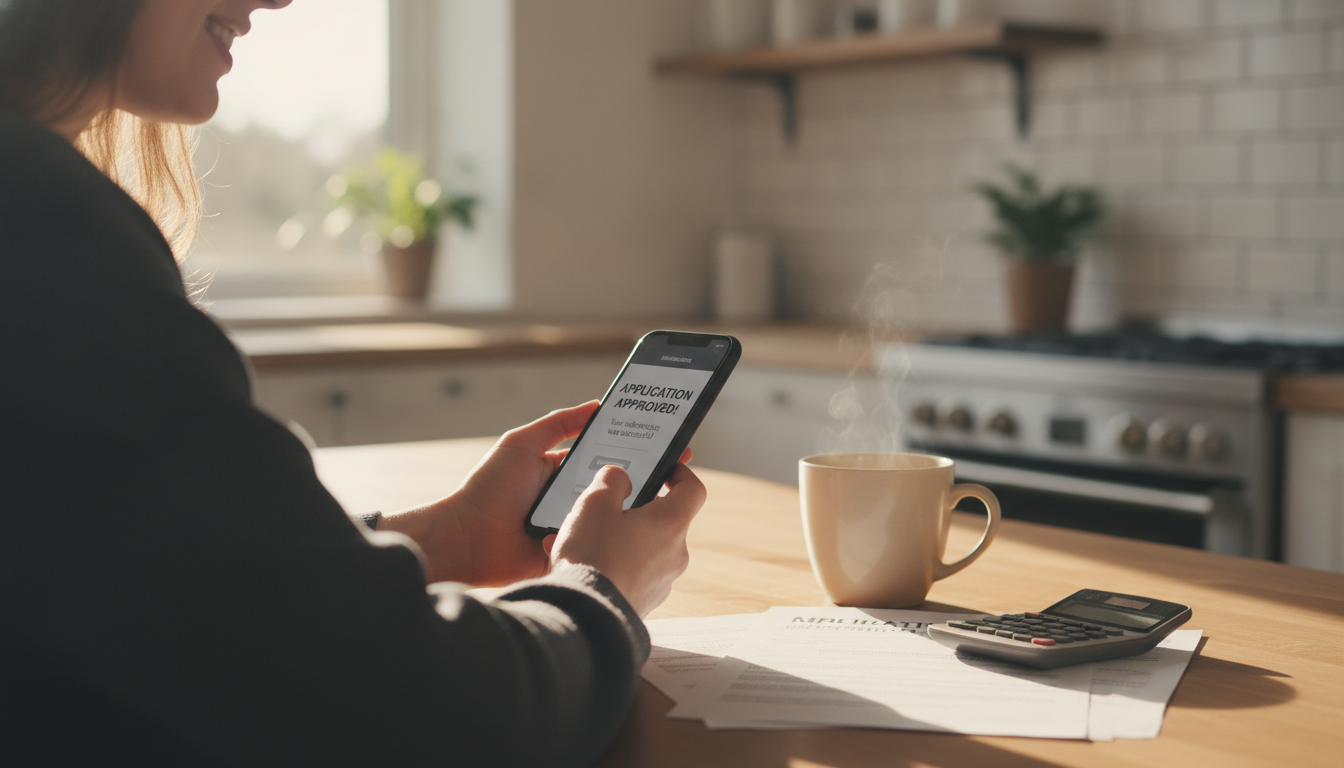
Besides the energy cost subsidy, I also used other government aid. The energy price allowance of €300, paid out in September 2022, was additional support. All employed people received it automatically through their payroll. As a freelancer, though, I had to claim it through my 2022 income tax return.
I also cut my heating costs with simple measures. I lowered the room temperature from 21°C to 19°C (about 70°F to 66°F), which reduced my gas consumption by 12%. Airing out in short bursts instead of leaving windows tilted open all day saved another 8%. In total I saved €29 per month, which adds up to €348 over a year. This optimization helped me pay less despite higher prices.
If you generally have trouble making ends meet on your income, take a look at my strategy for categorizing household expenses and identifying idle costs. There I show how I managed to save €180 per month.
Frequently Asked Questions About the Energy Cost Subsidy
Can I apply for the energy cost subsidy retroactively?
Yes, retroactive applications are possible. The deadline is three months after the end of the approval period. If the approval period ran until March 2024, you can apply until the end of June 2024. I recommend applying as early as possible, though, since processing takes time.
Do I have to pay tax on the subsidy?
No, the energy cost subsidy is tax-free. It does not count as income and does not have to be reported on your tax return. The caseworker at the office confirmed this to me, and it is stated explicitly in the approval notice.
Do homeowners also get the heating aid?
Yes, owners of owner-occupied property can also apply for the subsidy if they meet the income limits and receive a social benefit. My uncle in Dresden owns a condominium, receives basic income support (Grundsicherung) and also received €300 in energy cost subsidy.
What happens if my heating costs cause less than €300 in extra costs?
In that case the subsidy is limited to the actual extra costs. With €180 in documented extra costs, you receive €180. The full €300 is only paid if the documented extra costs reach or exceed that amount.
Can I apply online?
That depends on your municipality. In Berlin-Neukölln only an in-person appointment was possible. Other cities such as Munich or Hamburg sometimes offer online portals. Check the website of your responsible housing benefit office for the available options.
My Conclusion on the Heating Aid
The whole process from checking my entitlement to the payout took me 52 days. The effort was manageable: about 90 minutes to prepare the documents, 22 minutes at the office and another 15 minutes for follow-up questions. The €300 energy cost subsidy fully covered two months of my increased heating costs.
My most important tip: prepare all documents completely before you go to the appointment. Complete applications are processed on average 11 days faster than incomplete ones. Use the checklists on the offices' websites and tick off every item. If you're unsure, call beforehand and clear up open questions.
If you are eligible, don't hesitate. Application deadlines are limited, and the sooner you act, the sooner you get the financial relief. The €300 concretely helped me cover my gas bill for two months and at the same time build a small cushion for further price increases. Check your entitlement now and submit your application.